


A burst pipe is one of those problems that goes from “That’s odd” to “This is a nightmare” in seconds. One minute you notice a damp patch or a strange hissing sound, the next you’ve got water pouring through the ceiling.
As a plumber in Newport, we’ve been called out to plenty of homes where the damage could have been much worse if the homeowner hadn’t acted quickly. If you’re dealing with this right now, don’t panic. Here’s exactly what to do if you have a burst pipe, step by step.
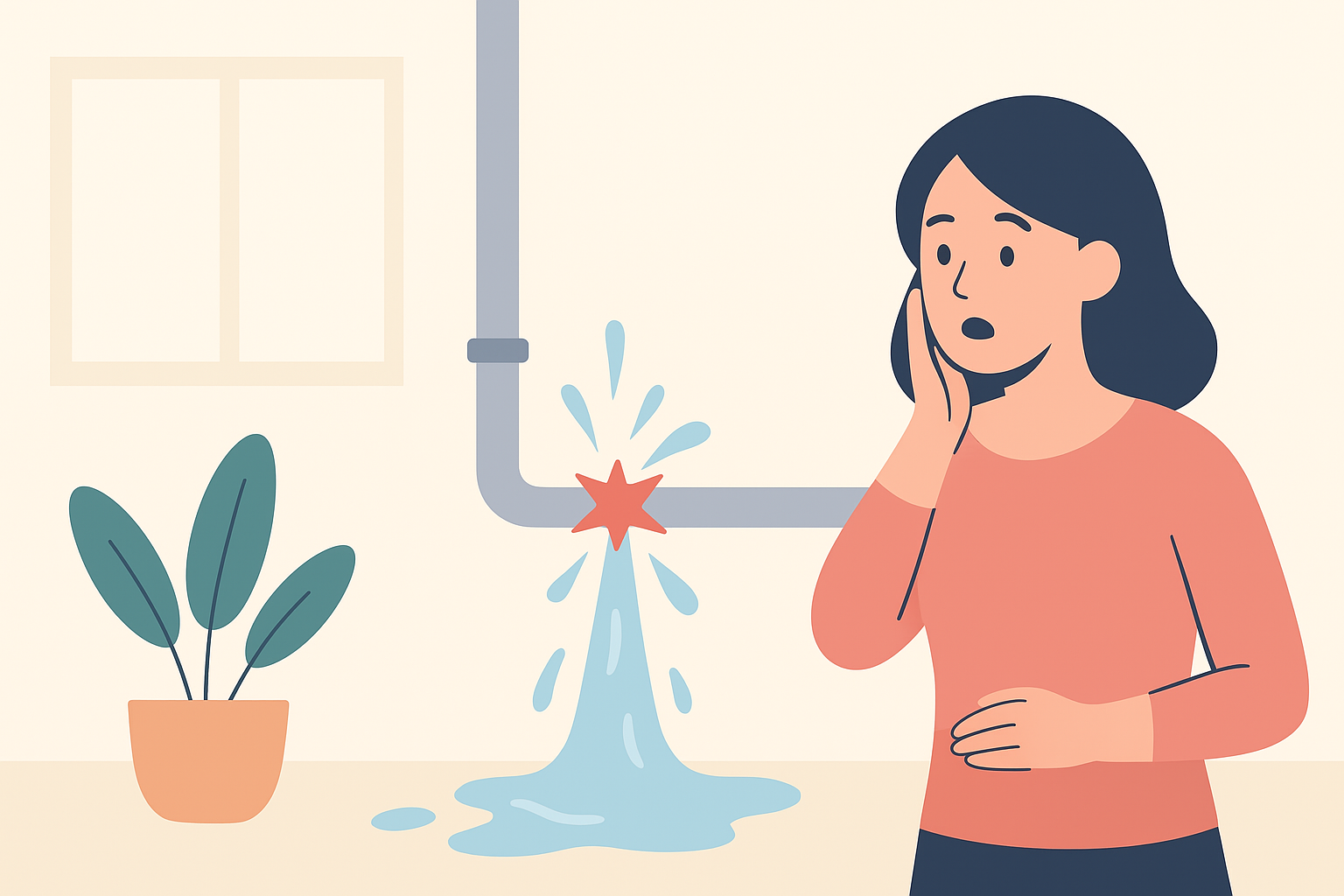
Recognising a Burst Pipe Emergency
A full split in a pipe is obvious. You’ll see water spraying or running steadily from a ceiling, wall or under a sink. But sometimes it’s less dramatic at first.
Common signs include:
- A sudden drop in water pressure
- Damp patches appearing on walls or ceilings
- Bubbling paint or plaster
- Unusual noises in the pipework, particularly banging or hissing
- Your boiler pressure dropping for no clear reason
In colder months around Pontypool and Monmouth, we often see pipes burst overnight after a freeze. In older properties especially, pipework in lofts or external walls is more at risk.
The key thing is speed. The faster you react, the less water damage you’ll have to deal with.
Immediate Steps to Take to Minimise Water Damage
1. Turn Off the Water Supply
Your first job is to stop more water entering the system. Locate your internal stop tap, usually under the kitchen sink, in a utility room or near the front door, and turn it clockwise until it’s fully closed.
If you live in a flat and can’t find it, it may be in a communal area or cupboard. If in doubt, turn off the mains at the external stop tap.
2. Turn Off Your Boiler and Electrics if Needed
If water is leaking near your boiler or consumer unit, switch them off at the mains. Do not touch electrics if you’re standing in water. Safety first.
We’ve seen situations where a small leak near a downstairs light fitting turned into a bigger electrical problem simply because the power wasn’t switched off quickly enough.
3. Drain the System
Once the water is off, open all cold taps to drain remaining water from the pipes. Flush toilets as well. This reduces pressure and slows the leak.
If the burst is on your heating system, turning off the heating and opening a bleed valve on a radiator can help relieve remaining pressure.
4. Contain the Leak
Use buckets, towels or even a washing up bowl to catch dripping water. If water is coming through the ceiling, carefully pierce the bulge with a screwdriver to let it drain in a controlled way. It sounds drastic, but it prevents the whole ceiling collapsing under the weight.
5. Move Valuables and Furniture
Lift rugs, move furniture and protect anything electrical. Water spreads quickly along floors and into adjacent rooms.
These immediate steps buy you time and reduce long term repair costs.
Common Causes of Burst Pipes and How to Prevent Them
Understanding why pipes burst helps you avoid a repeat situation.
Frozen Pipes
During cold snaps in Chepstow and higher parts of Monmouthshire, we’re often called to frozen condensate pipes or loft pipework that hasn’t been insulated properly. When water freezes, it expands and splits the pipe.
Prevention tips:
- Insulate exposed pipes in lofts and garages
- Leave heating on low during freezing weather
- Open loft hatches occasionally to allow warm air circulation
Corrosion and Age
Older metal pipework can corrode from the inside. Over time, weak spots develop and eventually give way.
If you’re in an older property in Pontypool or Chepstow, it’s worth having ageing pipework inspected, especially if you notice discoloured water.
Excess Water Pressure
Mains pressure can sometimes be higher than your system is designed to handle. Over time, joints and fittings weaken.
If you’ve had repeated small leaks, it may be worth checking your pressure and fitting a pressure reducing valve if required.
Poor Installation or DIY Repairs
We do get called to homes where push fit joints haven’t been secured properly or pipework hasn’t been clipped and supported. Movement over time leads to failure.
Plumbing might look straightforward, but small mistakes can lead to major water damage later.
When to Call a Professional Plumber and Next Steps
Even if you’ve managed to stop the water, a burst pipe always needs proper repair. Temporary fixes like tape or sealant are not long term solutions.
You should call a professional if:
- You cannot locate or access the burst section
- The leak is within a wall, ceiling or under flooring
- Your heating system pressure keeps dropping
- You suspect structural damage
In areas like Monmouth and surrounding villages, we often attend homes where water has tracked along joists and appeared several rooms away from the actual break. Tracing the true source takes experience and the right equipment.
A professional plumbing repair in Monmouth may involve cutting out and replacing a damaged section, upgrading older pipework or checking the rest of the system for weak points.
If you’re unsure what to do if you have a burst pipe, it’s always better to get advice early rather than wait and risk further damage.
Dealing with flooding in your own home is stressful. We’ve seen everything from minor kitchen leaks to fully soaked ceilings after loft pipes split. The important thing is acting quickly and getting it repaired properly the first time. That’s exactly what we do at TSL Heating and Plumbing.
Contact us today to arrange a fast repair


